July was American Grown Flower Month, so Florists’ Review spoke with flower growers and florists to learn about the increasingly important partnerships between the two industry sectors. The enthusiastic responses were filled with unique stories about relationships between farmers and designers and the quality of locally produced stems offered for fresh designs.
Building Relationships
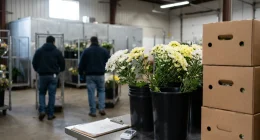
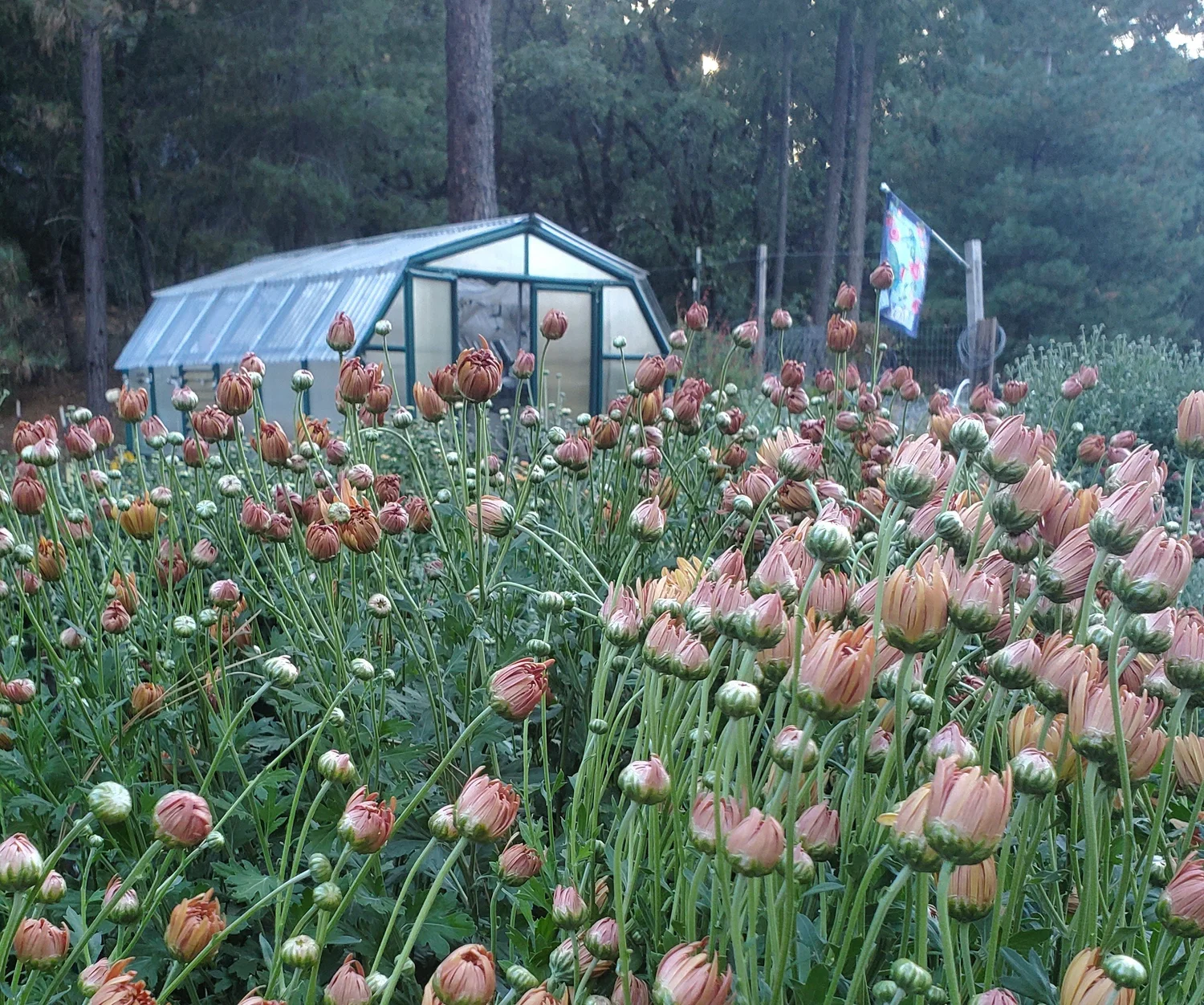
One of the common threads within the grower-florist dynamic is the integral relationship between them. Beverly Glass of Frog Hollow Flower Farm in Placerville, Calif., depends on in-person communication with florists to maintain a strong bond with designers. She sells directly to florists, consistently bringing samples, and gives wedding designers access to her coolers to select specific blooms.

She said the quality speaks for itself because buying local flowers gives the unmistakable advantage of fresh products free from broken stems, mold and excess trash. In turn, she has come to “understand the industry and their needs” from florists who give her tips on processing, seasonal color and even stage of harvest.
Beverly maintains a catalog of her inventory digitally with Rooted Farmers, an online business-to-business marketplace that connects flower farms with retail flower shops. She is passionate about educating designers about local flowers because consumers are “hungry for it.”
Grower Rachel Weber of First Cut Florals in Loudon, Tenn., and florist Lacey Orr of Blooming Visions, also in Loudon, connected over social media. They partnered up and became close friends. Their personalities harmonize, they enjoy one another’s work and Rachel adds that they are happy to work together.

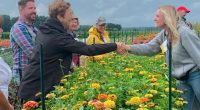
Rachel and Lacey exchange knowledge, promote each other in their respective businesses and collaborate for weddings and events. Blooming Visions hosts “The Bloom Social,” a recurring event that features First Cut’s flowers in a build-a-bouquet activity. Their collaboration gives new meaning to forging business relationships.
The Cooperative Channel
Flower cooperatives across America share resources, combine products and sell together to supply local flowers to buyers. The South Carolina Cut Flower Growers Marketing Cooperative serves florists across the state with flowers, foliage and other products.
Julie Rainey of PearlGirl Flower Farm in Seneca, S.C., said working together allows them to provide as much local product as possible to florists and the collaboration has been very positive.
The growers come together to offer goods and increase availability that cannot be achieved from a single farm.
Traditional distributors cannot compete with either the local selection or the relationships that florists have with the farmers. Florists appreciate knowing where their flowers were grown, which makes their finished product more valuable to them and their customers.
Telling Stories
Every flower grower and florist has their own distinctive story that becomes their brand, and no one knows this better than Debra Prinzing, co-author of The Flower Farmers, a collection of inspiring stories straight from the source. She said “stories are what connect people,” and that right now, “stories are more important than ever.”
Small-scale farms are focused on the community and therefore are pursued by florists. Consequently, flower farmers shifted to grow what designers need, a concept she calls the design-forward farmer. Simultaneously, designers began creating with farmers in mind, becoming the farmer-forward florist.
Debra’s friend, Corinne Bryson of Flora Good Times in Beacon, N.Y., sends out a card with every delivery that has a list of the growers she collaborates with, and marks off which farm’s product is in each arrangement.
Debra said farms and florists are not each other’s competition; rather, they elevate the floral experience together through positive stories. This connection is achieved with coffee gatherings or meet-and-greets with florists and growers to discuss style, aesthetic and needs. Another advantage of these relationships is that florists can find out about overharvests of blooms that can be promoted at their shops.
As Debra Prinzing said, “you don’t have to be all or nothing.” Offering seasonal or local floral programs, or running promotions on one special crop you like, will make you an innovative leader. Each story raises awareness and the benefits are bountiful.

The SuperFloral Team brings you news, trends and practical ideas for supermarket and mass-market floral professionals. Our editors gather and curate the stories that matter most to floral teams in grocery and retail, from industry news and events to merchandising inspiration and business advice. Have a story idea or news tip? Write to us at editorial@superfloral.com.