
Week ending Nov. 7, 2026
Mass-market floral buyers enter the next holiday buying stretch with two different pressures on the same shipment: rising air cargo spot prices and a change in chrysanthemum import procedures that takes effect Nov. 9. Neither development, by itself, establishes what a grocery bouquet will cost or whether more usable stems will reach a store.
This week’s market wrap up connects fresh freight data, Ecuador’s implementation guidance and the U.S. horticultural industry’s request to keep vessel fees suspended. The common buying task is to distinguish a change in paperwork or policy from a verified change in delivered cost. The operational recommendations below are SuperFloral’s analysis, not measured outcomes reported by the sources.
Air cargo prices rise even as volume slips
In its Nov. 2 report covering Oct. 19-25, WorldACD reported a 5% weekly increase in worldwide air cargo spot rates, to $3.80 per kilogram. Central and South American spot rates also increased 5%. Worldwide tonnage fell 2%, while capacity declined 1% from the preceding week.
The combination matters because softer aggregate volume did not bring cheaper spot pricing. WorldACD attributed the broader pressure to capacity constraints and elevated fuel surcharges during the fourth-quarter peak. Its figures cover air cargo across commodities; they are not flower-specific quotes, and the regional result does not establish the price on a particular Ecuador-to-Miami or Colombia-to-U.S. shipment.
For procurement teams, the useful response is a fresh, written comparison of the actual lane and service being bought. Confirm departure date, chargeable weight, fuel and handling charges, destination handling and the delivery commitment. Ask whether the quote is a spot offer or reflects contracted space before comparing it with an earlier invoice.
This is a new reporting period following last week’s freight and digital buying wrap-up. Keep those earlier figures dated rather than rolling them into a single current rate. A higher market average is a reason to inspect a cost sheet, not an automatic justification for raising every retail price.
Ecuador prepares for the Nov. 9 chrysanthemum transition
Ecuador’s plant health authority, Agrocalidad, issued cut-chrysanthemum guidance dated Oct. 29. It says the U.S. change takes effect Nov. 9 and removes white rust-related official listings for production sites, collection centers and trading companies. It also says Ecuadorian chrysanthemum shipments will no longer require the import permit described in its notice. U.S. port-of-entry phytosanitary inspection remains mandatory.
The underlying APHIS final rule, published Oct. 8, removes chrysanthemum white rust-specific restrictions on fresh cut flowers and moves commodity-specific requirements into the Agricultural Commodity Import Requirements database. Other cut-flower import requirements remain unchanged. This is an implementation checkpoint for a previously announced rule, not a new declaration that flowers can bypass inspection.
SuperFloral’s earlier explanation of the chrysanthemum rule separated finished cut flowers from propagation material. That distinction still matters: procedures for cuttings and tissue-culture plantlets should not be applied to a shipment of finished bouquet stems.
Buyers and importers should agree on which documents change for shipments entering on or after Nov. 9, verify the applicable commodity requirements and assign responsibility for checking the transition. Do not remove an inspection allowance from a delivery plan simply because a white rust-specific requirement is ending.
Ocean freight policy remains a cost-planning question
In a Nov. 4 update, AmericanHort said it joined an Oct. 30 coalition letter asking the U.S. trade representative to extend or permanently suspend Section 301 fees on China-built and China-linked vessels. The coalition warned that resuming the fees would raise shipping costs and disrupt carrier service.
AmericanHort described the goal as preserving “affordable, reliable transportation for American businesses.” That is the association’s policy position, not evidence of a new government decision. Its update identifies plants, growing media, equipment and other inputs as horticultural cargo exposed to ocean freight costs; it does not report a new surcharge on a particular floral shipment.
For bouquet makers and retail program managers, the practical check extends beyond stems. Confirm the freight assumptions behind containers, packaging and production inputs, and separate a supplier’s confirmed charge from a policy contingency. Do not budget a proposed suspension as a realized saving or a possible fee as an invoice already due.
Protect the value that arrives
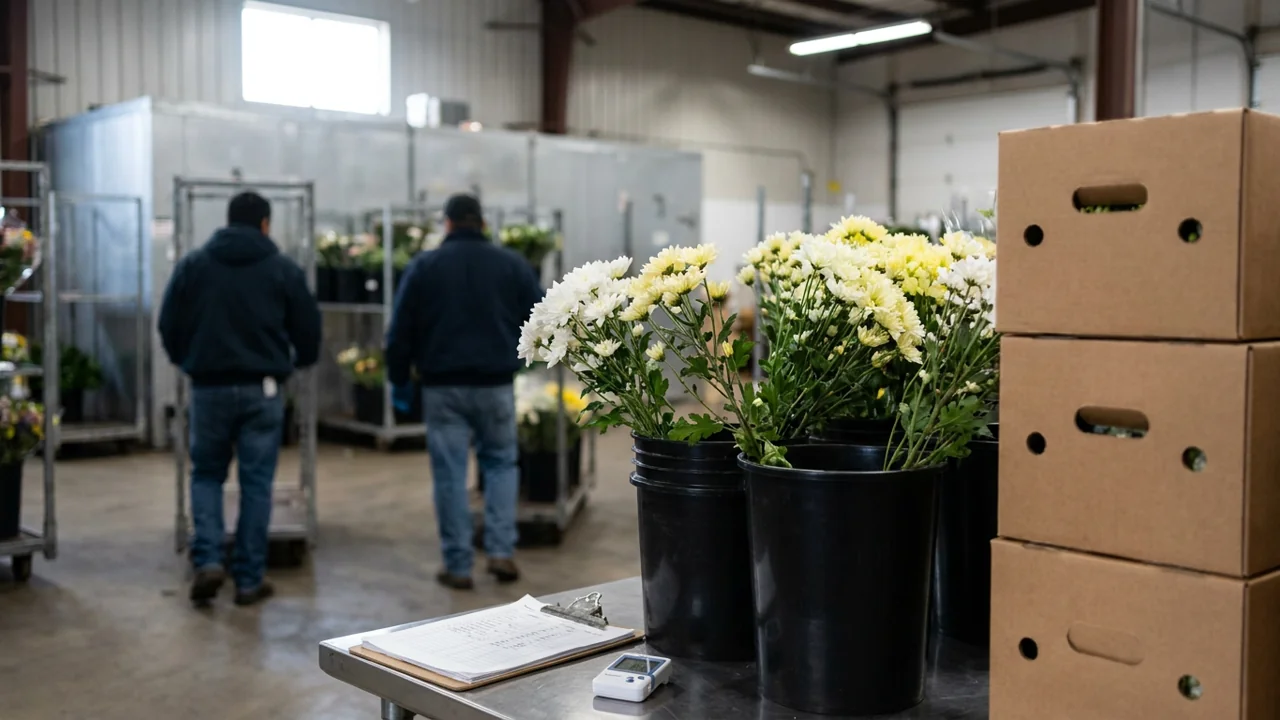
Freight and compliance savings have little value if a shipment arrives outside its quality specification. Use the receiving and handoff checks in SuperFloral’s floral cold chain checklist when reviewing dwell time, temperature records and delivery responsibilities. Keep the standard appropriate to the product rather than treating all flowers alike.
The next useful evidence is local to the transaction: a confirmed freight quote, correct shipment documents, accepted product and actual store sell-through. This week’s reports support tighter verification of those items. They do not establish a global flower shortage, a broad decline in bouquet demand or a guaranteed improvement in retail margins.

Travis Rigby is the publisher of SuperFloral, the news source for the mass-market floral industry. He leads its website and weekly newsletter, covering what matters to growers, breeders, supermarket floral buyers and category managers. Travis studied journalism at the University of Utah, founded and led PosterGarden.com for 27 years, and is president of FlowerBox.com.