
Grocery floral merchandising does much of the selling before a shopper picks up a bunch. In the International Fresh Produce Association’s 2024 floral consumer research, 25% of shoppers named in-store floral displays as their primary cue, ahead of ads, staff suggestions and recommendations from friends. Here are seven display moves that put that finding to work.
Why does the display matter so much?
IFPA surveyed 754 U.S. consumers for its Americans and the grocery store floral section research. Beyond the display finding, 58% said they usually buy flowers at supermarkets, 20% at mass merchandisers and 6% at warehouse clubs. One in three said the floral department influences which grocery store they choose. Value and convenience ranked highest among store-choice factors. For a category manager, that means the floral case is both a sales point and a reason to visit the store.
Seven display moves for grocery floral merchandising
1. Make the display the advertisement
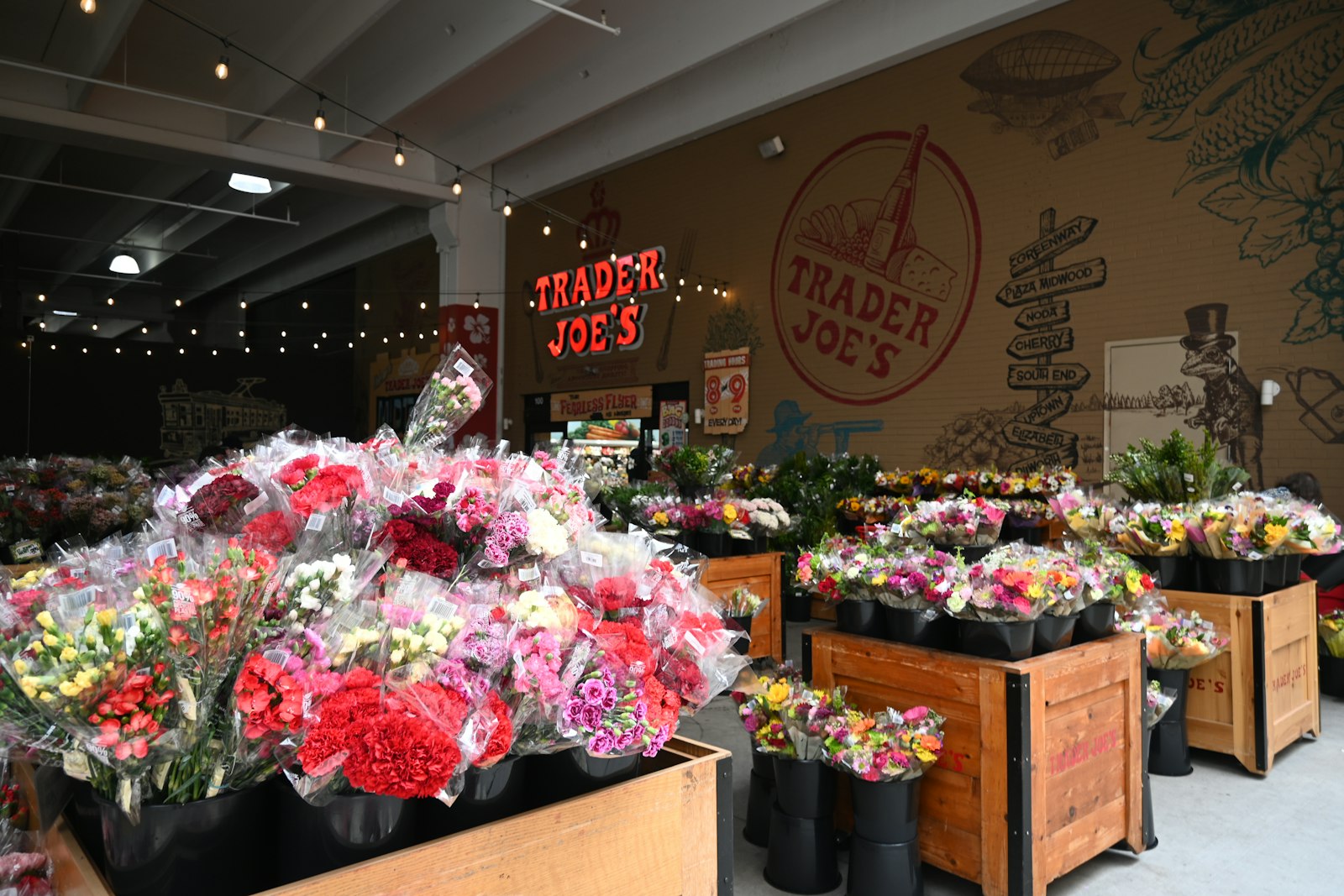
If displays outrank ads as a cue, they deserve the same planning as a circular feature: a clear focal point, a seasonal message and a visible hero item. Rebuild the hero each week.
2. Put floral where the traffic flows
When a third of shoppers factor the floral department into store choice, hiding it costs more than footprint savings suggest. Locate and light it so shoppers meet it on their normal path. This is editorial guidance, not a measured result.
3. Keep it clean, full and on a schedule
Texas A&M AgriLife Extension’s floral merchandising materials by Dr. Charles Hall state that impulse sales “relate directly to how well the displays and department are merchandised and maintained,” and recommend written schedules and checklists. The source is undated and cites 1990 data elsewhere, so treat it as a principle rather than a statistic. Its approach still holds: clean displays follow a daily routine.
4. Block by color and tier by height
Group stems and bouquets by color so the case reads from across the aisle, and keep the highest-impact product at eye level.
5. Show the price clearly
Because value ranks among the top store-choice factors, label price points on every bunch and tier. Our guide to supermarket floral price points and margin explains how to set them.
6. Offer grab-and-go at more than one price
Ready-to-take bouquets at a few clear price steps serve the convenience shopper. Review what sells before adding SKUs, using our look at best-selling grocery flowers.
7. Pull tired product fast
A fresh-looking case sells; a tired one erodes confidence in everything beside it. Schedule rotations and watch losses with our grocery floral shrink guide.
Grocery floral merchandising: takeaways for buyers
- One in four shoppers cites in-store displays as the main floral cue, so treat the display as your best advertising.
- One in three says floral influences where they shop; visibility is a traffic driver.
- Maintenance schedules and checklists protect impulse sales; make them part of the daily routine.
- Price clarity and grab-and-go tiers answer the value and convenience shopper.
Sources: IFPA, Americans and the grocery store floral section (2024 floral consumer trends tracker, published July 2025); Texas A&M AgriLife Extension, Floral Merchandising (undated).

Travis Rigby is the publisher of SuperFloral, the news source for the mass-market floral industry. He leads its website and weekly newsletter, covering what matters to growers, breeders, supermarket floral buyers and category managers. Travis studied journalism at the University of Utah, founded and led PosterGarden.com for 27 years, and is president of FlowerBox.com.