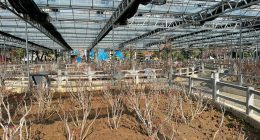
FIGURE 1. Various processes in the plant produce and consume assimilates, creating a balance. Growing By Plant Empowerment (GPE) is a global follow-up to a new Dutch growing method called Het Nieuwe Telen (HNT, also known as Next Generation Growing). It starts with the natural behaviour of plants, as they are capable of coping with very different circumstances and climate conditions. The plants keep themselves alive by managing three balances: energy, water and assimilates. Part of a series on GPE, this article will focus on balancing the production and consumption of assimilates and how this knowledge can be used to produce higher crop yield and quality. Starting with photosynthesis Photosynthesis is the starting point for optimizing plant growth. In the process of photosynthesis, carbon dioxide (CO 2 ) and water (H 2 O) are transformed into sugars or assimilates, with the help of energy from sunlight. These sugars can be used as building blocks for plant tissue production and to make new cells, for instance. The biochemical processes responsible for the production of new cells also need energy, which is indirectly supplied by sugars as well. So assimilates have two roles: building material and fuel for plant growth. The plant will always balance its consumption and production of assimilates, as shown in Figure 1. If there is an assimilate shortage, the plant has to cut down on consumption, at the cost of development or quality. Surpluses, however, mean inefficient utilization of available assimilates, which is also undesirable. Source–sink relations Green plants contain a pigment called chlorophyll. Along with other secondary pigments, chlorophyll absorbs part of the solar spectrum that we call photosynthetically active radiation (PAR). This is light in the wavelength range of 400 to 700 nanometers – essentially the colour spectrum. Leaves that produce more assimilates than they consume are known as “sources” of the plant. All other parts of the plant which consume more assimilates than they produce are called “sinks.” The main sinks are the fruits or flower buds. Young leaves belong in the “sinks” category because they consume more assimilates than they can produce. But […]
Source: www.greenhousecanada.com

The SuperFloral Team brings you news, trends and practical ideas for supermarket and mass-market floral professionals. Our editors gather and curate the stories that matter most to floral teams in grocery and retail, from industry news and events to merchandising inspiration and business advice. Have a story idea or news tip? Write to us at editorial@superfloral.com.