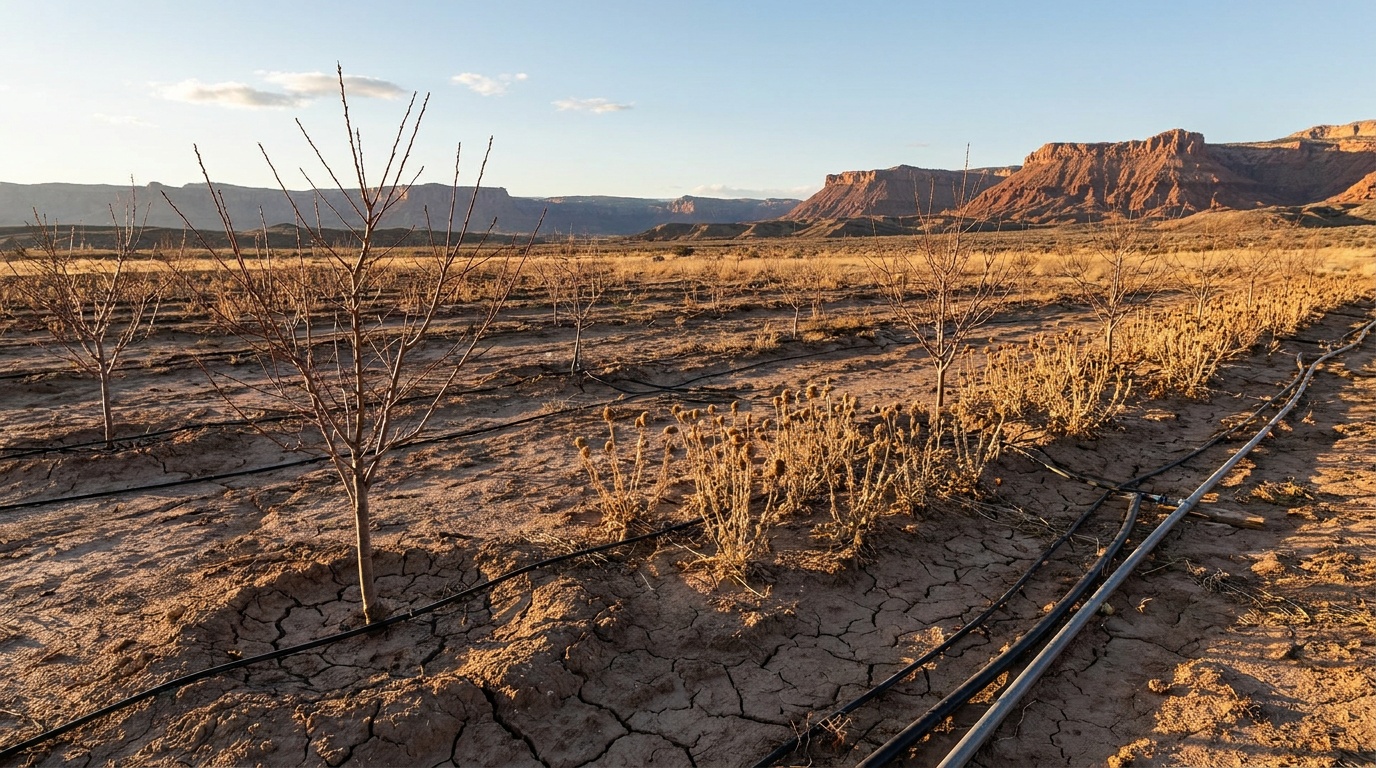

A prolonged dry winter and low snowpack in western Colorado have created difficult conditions for agricultural producers in the Grand Valley, leaving many growers uncertain about the upcoming season. In response, the U.S. Small Business Administration is offering low-interest disaster relief loans to help small businesses, cooperatives, and nonprofits manage financial losses tied to drought.

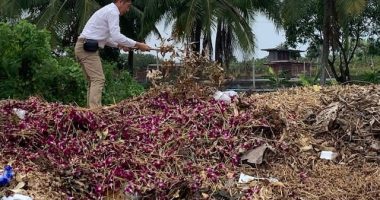
Local growers say the lack of precipitation has already disrupted normal growing patterns. Warmer-than-usual temperatures pushed flowers to bloom three to four weeks earlier than expected, shortening key sales windows. In some cases, crops were severely damaged, such as daffodils that bloomed quickly during brief heat and then died due to insufficient water.
Beyond timing issues, drought conditions are also affecting plant quality and yield. Growers report that some flowers may have shorter stems or reduced growth, making it harder to maintain consistent supply for retail and event work. To stay viable, many farms are diversifying crops and experimenting with strategies to extend bloom periods.
The SBA loan program, which offers up to $2 million in assistance, is intended to provide working capital for businesses experiencing economic injury from drought. While not all farmers qualify, officials encourage those impacted to apply. Overall, the situation highlights the growing need for resilience and adaptability as climate-related challenges continue to impact agriculture.
Read more at KJCT

The SuperFloral Team brings you news, trends and practical ideas for supermarket and mass-market floral professionals. Our editors gather and curate the stories that matter most to floral teams in grocery and retail, from industry news and events to merchandising inspiration and business advice. Have a story idea or news tip? Write to us at editorial@superfloral.com.