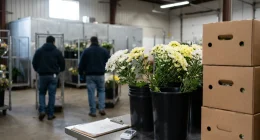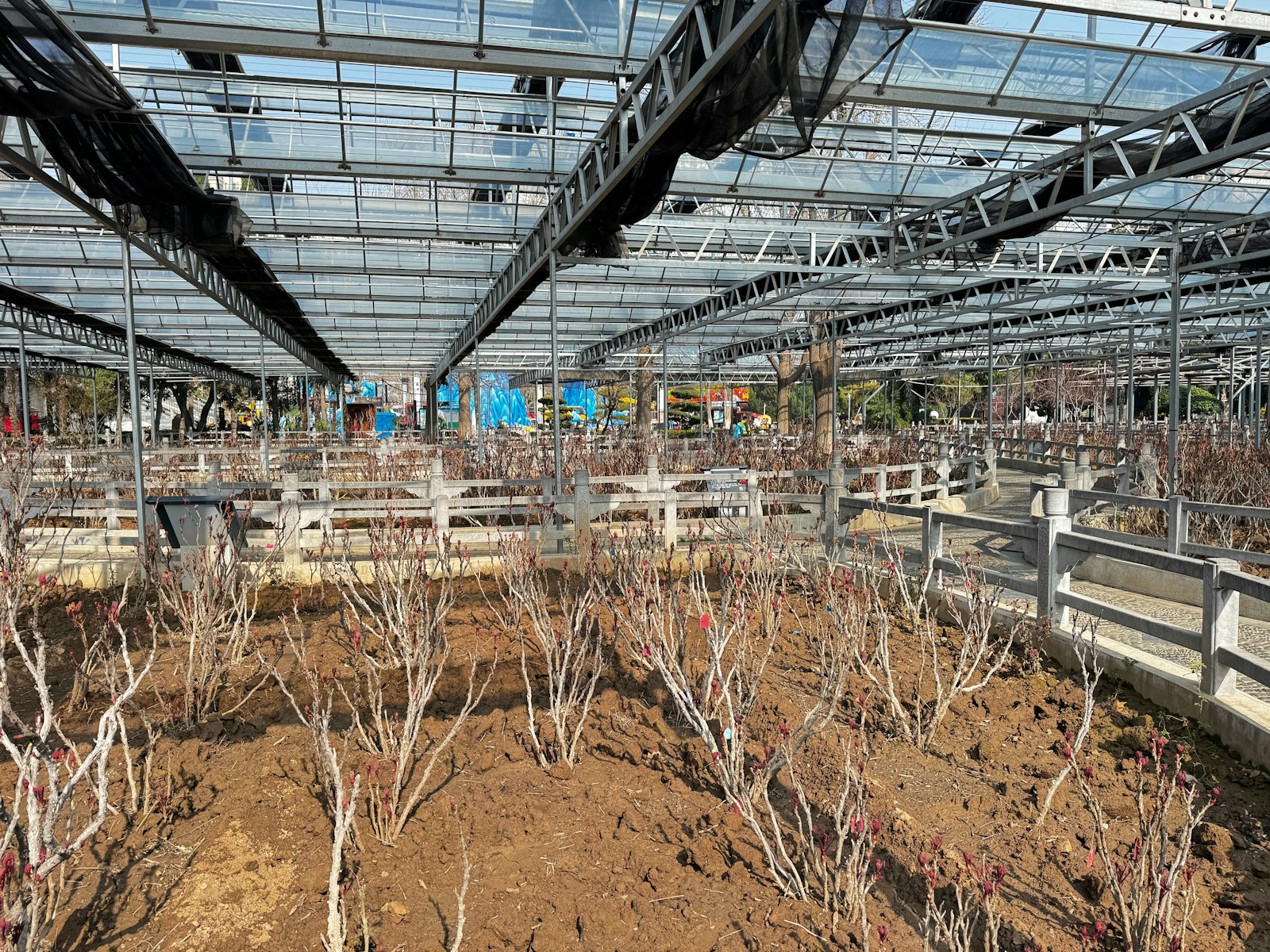

Kenya flower sourcing is a topic most U.S. mass-market buyers touch only indirectly, but the country is one of the four largest cut flower exporters in the world, and its rose business is built for volume. Here is what recent reporting says about what Kenya grows, where it sells and how the flowers travel.
How big is Kenya’s flower industry?
Kenya exported 457,700 tonnes of horticultural produce valued at Sh143.78 billion in 2025, and cut flowers accounted for 62% of that value, according to The Star. The same report called Kenya one of the top four global exporters of cut flowers, shipping to 143 destinations, and said the sector supports more than 150,000 direct and indirect jobs. More than 90% of production comes from medium and large growers.
What does Kenya grow?
Roses dominate. The Star reported that roses account for about 69% of Kenya’s flower exports, and that Kenyan roses hold about 38% of the EU rose market, a figure attributed to the national plant health inspectorate KEPHIS. Carnations and summer flowers fill out the range.
Where do Kenyan flowers go?
Europe is the main outlet. The Star said the Netherlands takes about 46% of Kenyan flower exports, through the Aalsmeer auction and direct supermarket sales. For the third quarter of 2025, FreshPlaza, citing Floriculture.co.ke, reported horticulture exports of US$195.6 million, led by these destinations:
- Netherlands: US$68.7 million
- United Kingdom: US$27.9 million
- United Arab Emirates: US$15.8 million
- France: US$15.4 million
- Germany: US$12.5 million
Those figures cover all horticulture, not only flowers, and neither source we reviewed gave a U.S. share. If you want to know how much Kenyan product reaches American shelves, ask your importer directly.
How do Kenyan flowers travel?
FreshPlaza reported that air freight continued to dominate flower exports to Europe. Freight capacity has been a pressure point: a column in The Standard noted reports that a dip in Kenya’s flower exports was linked to an air freight shortage, and argued for rail and sea as lower-cost, greener options. The Star also cited rising freight costs and tighter carbon emission rules in Europe as challenges. For how air capacity works on the Latin American side, see our explainer on floral logistics.
What are the compliance requirements?
Kenyan exporters must meet European Union phytosanitary rules and post-Brexit UK standards, FreshPlaza reported. The Star said KEPHIS has automated phytosanitary certificates and import permits, and that pest control efforts focus on the false codling moth for roses bound for the EU, the UK and South Korea. We have not verified current U.S. entry requirements or tariff treatment for Kenyan flowers, so confirm both with your importer before planning a program.
Kenya flower sourcing takeaways for buyers
- Kenya is a rose-led, volume-oriented origin; roses are about 69% of its flower exports (The Star).
- Europe, especially the Netherlands, is the main market, so U.S. availability depends on what your importer can place.
- Air freight capacity and cost are the main risks cited in the reporting.
- Compare against Latin American origins; see our guides to Ecuador versus Colombia sourcing and sourcing from Colombia. Breeders are also shifting production to Kenya, as when Dümmen Orange moved dianthus production there.
Figures are as reported by the cited publications and have not been independently verified. The Star’s article gives inconsistent flower earnings figures, so we have not used them.

Travis Rigby is the publisher of SuperFloral, the news source for the mass-market floral industry. He leads its website and weekly newsletter, covering what matters to growers, breeders, supermarket floral buyers and category managers. Travis studied journalism at the University of Utah, founded and led PosterGarden.com for 27 years, and is president of FlowerBox.com.