
Valentine’s flower imports run through a narrow window: Colombia’s 2026 shipping run lasted only from Jan. 15 to Feb. 9, yet it covered about 20% of the country’s annual flower sales, according to ColombiaOne’s summary of Asocolflores data. Valentine’s Day 2027 falls on a Sunday, about 16 weeks from now, so the real question for grocery buyers is whether orders, receiving docks and coolers are ready for the weeks when air freight volume roughly doubles.
How do Valentine’s flower imports reach U.S. stores?
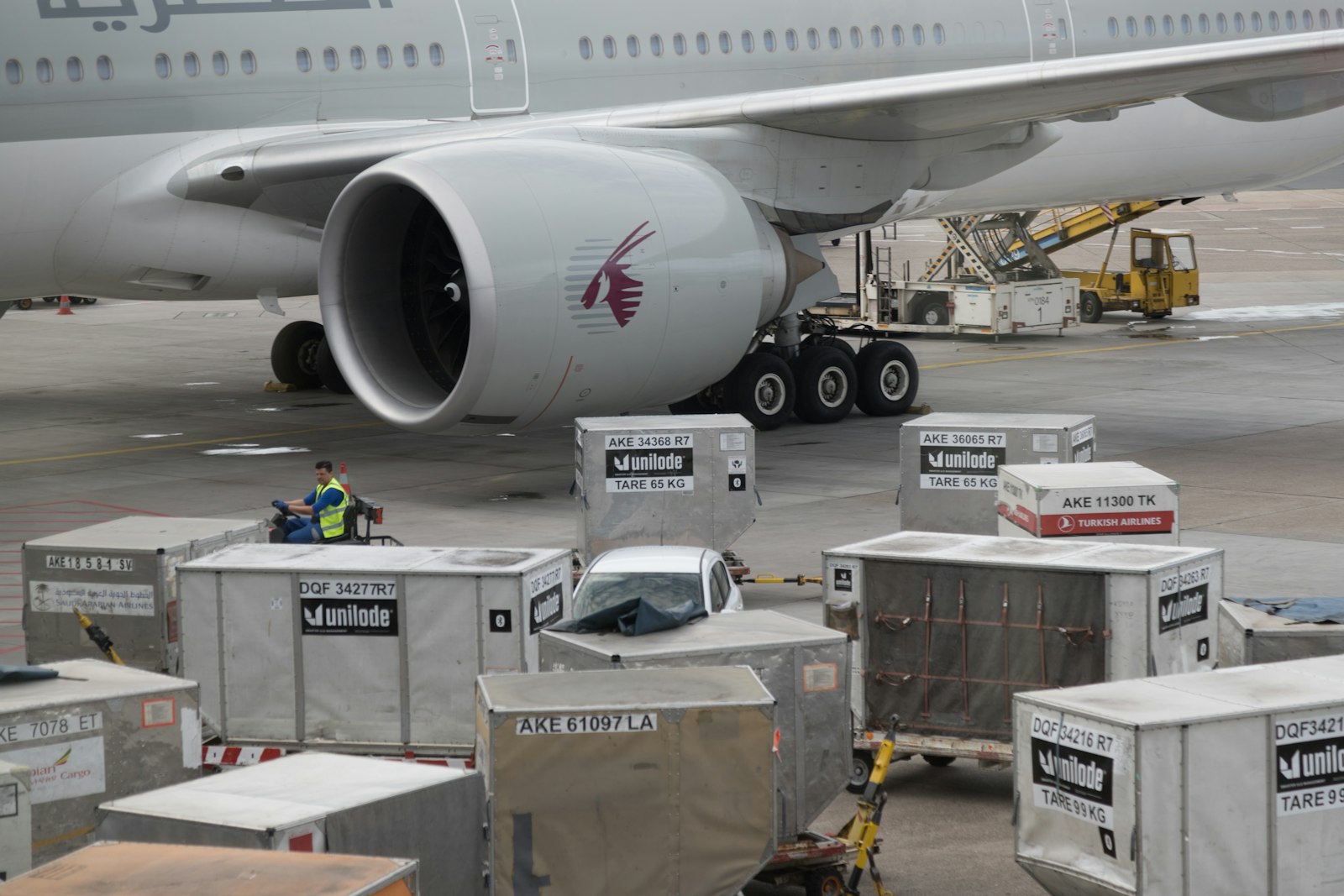
Almost all of them arrive by air, and most arrive in Miami. U.S. Customs and Border Protection told reporters it expected Miami International Airport to process about 990 million cut-flower stems in the weeks before Feb. 14, 2026, and that about 90% of the fresh cut flowers sold for Valentine’s Day in the U.S. pass through Miami, with the remaining 10% through Los Angeles (AP report via WLRN). Roses made up roughly 50% to 60% of those shipments.
The scale is easy to underestimate. The same report said Avianca Cargo alone planned about 19,000 tons of flowers on 320 full cargo flights, more than twice its usual count. Miami handled about 400,000 tons of flowers in the prior year, and more than a quarter of that moved before Valentine’s Day.
What do the origin-country numbers say?
Colombia shipped about 65,000 tons of flowers to the U.S. by early February 2026, up 13% from 2025, on roughly 900 million stems, 1,400 air flights and sea routes, per ColombiaOne. Air carried 92% of shipments and sea 8%. Ecuador exported about 39,000 tons for the season, up roughly 3%, but export revenue slipped to an estimated $274 million to $276 million from about $282 million, and volume to the U.S. fell about 6%, according to Teleamazonas, citing Expoflores. For a deeper look at the origin, see our buyer’s guide to sourcing flowers from Colombia.
What happens to flowers at the border?
Every box is subject to agriculture inspection. CBP agriculture specialists check shipments for harmful plant pests, and inspectors average about 40 to 50 pests a day, most often moths, per the AP report; USDA decides whether each find is a threat. Because so much volume funnels through one airport in a few weeks, a weather delay or inspection backlog in Miami hits many retailers at once. Ask your importer how it handles holds and what its backup arrival plan is.
Where does the schedule break?
Quality is usually lost on the ground. Cold-chain monitoring company Sensitech says most non-tropical cut flowers keep best at 33°F to 35°F, start to wilt at 37°F, and react to swings as small as 2°F. In one supplier example it cites, re-palletizing took five hours at a dock held at 55°F and flower temperature rose by more than 10 degrees (Sensitech). North Carolina State supply chain professor Robert Handfield put the core challenge simply: it is “a hard balance, making sure the flowers don’t bloom too early and they don’t die in transit” (NC State News). Our guides to flower care and handling at scale and grocery floral shrink cover what to do once the boxes reach your dock.
When should buyers set order dates for Valentine’s 2027?
Handfield says Valentine’s planning starts about six months ahead on the grower side, so buyers working now are already inside the window. The frame below is an editorial planning suggestion, not an industry standard; confirm real cutoffs with your importers.
| Timing | What to settle |
|---|---|
| Now to mid-November | Rose and bouquet volumes by pack, price basis, and who pays if tariffs change |
| Late November to December | Final SKUs, box and sleeve specs, store allocations, receiving slots at each DC |
| Early January | Confirm arrival dates inside the Jan. 15 to Feb. 9 shipping window; plan cooler space |
| Last week before Feb. 14 | Daily temperature checks at receiving, markdown and rebalance rules |
How do tariffs and costs change the plan?
The AP report said prices were expected to rise in 2026, citing tariffs on Colombian and Ecuadorian imports and Colombia’s new minimum wage, and the Association of Floral Importers of America said the added costs would reach consumers. Colombia’s trade minister said on Oct. 22 that talks on removing a 12.5% additional U.S. tariff could end in a signed deal in December, but he could not guarantee it (ColombiaOne). Do not price a deal in until it is signed; our earlier tariff coverage explains why.
Takeaways: Valentine’s flower imports checklist for buyers
- Lock rose and bouquet volumes early; the shipping window is only about 26 days long.
- Ask importers about Miami contingency plans, since about 90% of Valentine’s flowers pass through one airport.
- Write tariff-change terms into pre-books instead of assuming relief.
- Hold cross-dock and receiving temperatures at 33°F to 35°F and measure them.
- Use our Valentine’s floral program guide to set the merchandising side of the plan.

Travis Rigby is the publisher of SuperFloral, the news source for the mass-market floral industry. He leads its website and weekly newsletter, covering what matters to growers, breeders, supermarket floral buyers and category managers. Travis studied journalism at the University of Utah, founded and led PosterGarden.com for 27 years, and is president of FlowerBox.com.